
Irrigation
At Jenneh Farms, we recognize that access to a reliable water supply is an important part of successful and sustainable agriculture. Irrigation helps farmers provide crops with the water they need, particularly during periods when rainfall is limited or unpredictable.
Through practical farming activities and training, we continue to explore ways to make better use of available water resources. Proper irrigation can support healthier crop growth, improve productivity, and help farmers maintain their fields during dry periods.
Our work with irrigation is part of our broader commitment to sustainable agriculture and food security. By introducing practical approaches that farmers can understand and apply, we hope to encourage farming practices that are productive, responsible, and suited to local conditions.
Irrigation is not simply about supplying water to crops. It is also about using water wisely. Farmers need to consider the amount of water required, the timing of irrigation, and the most appropriate method for delivering water to their crops. Efficient practices can help reduce unnecessary water use while supporting healthy plant development.
At Jenneh Farms, we believe that hands-on learning is an important part of agricultural development. Through our farm activities and educational programs, we aim to demonstrate practical techniques that can help farmers strengthen their knowledge and improve their farming practices.
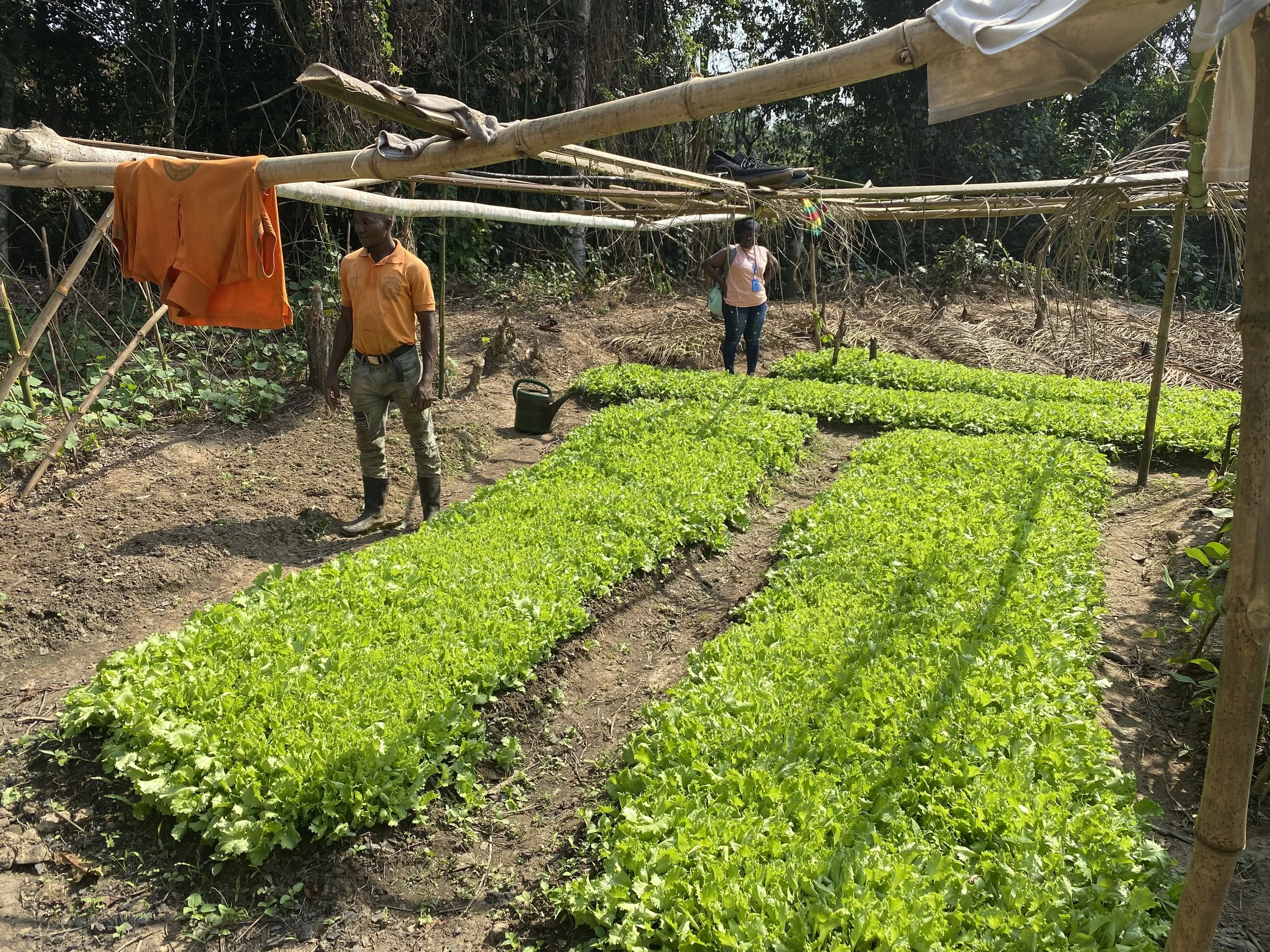
Liberia has a six-month rainy season, typically lasting from May to October. The heavy rainfall during this season permits cultivation of rice, which requires large volumes of water for flooding the fields. Other rainy season crops include cassava, corn, bananas, and vegetables. However, there is very little rainfall during the rest of the year, leaving many farmers without an income source for half of the year.
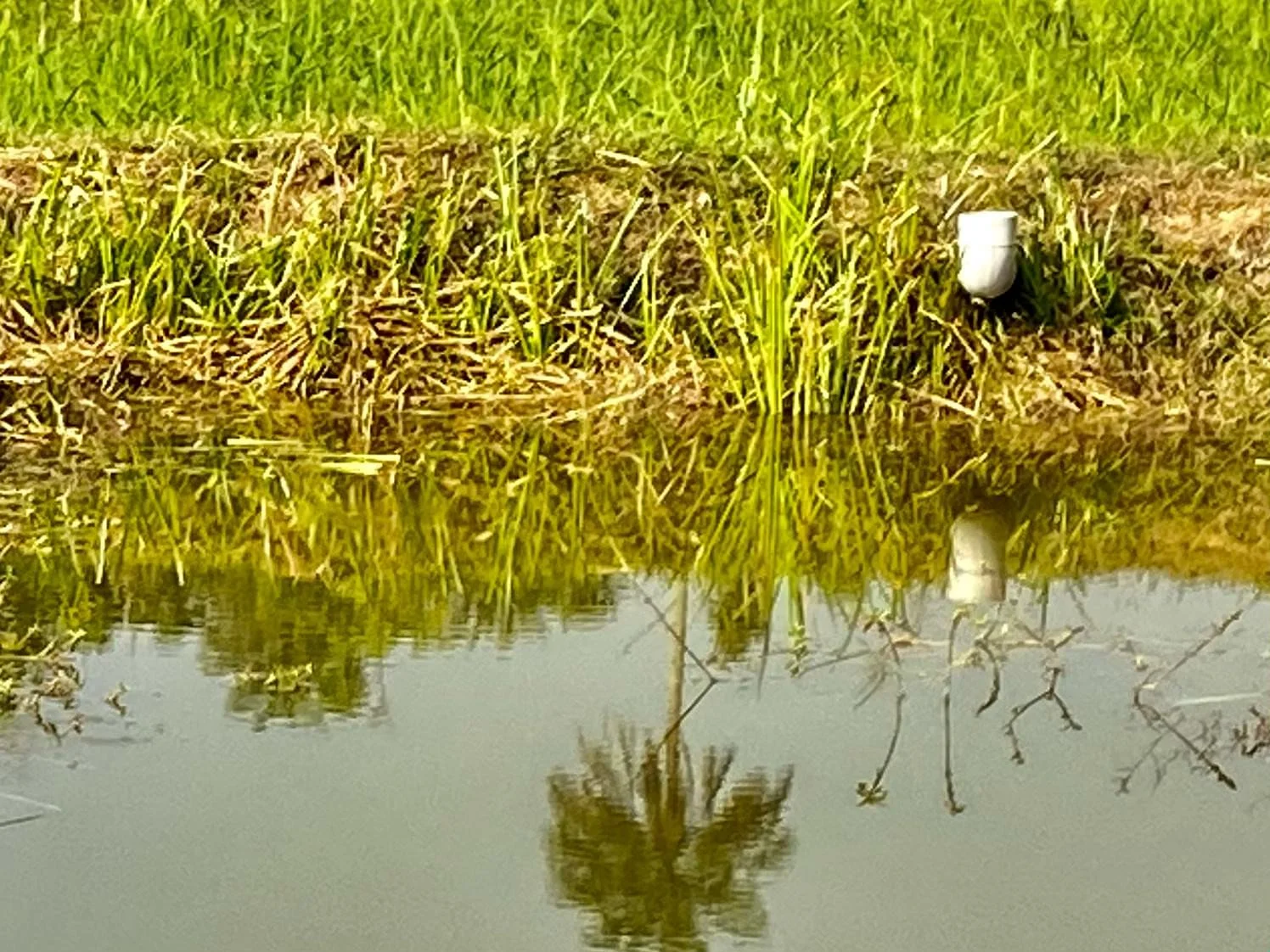
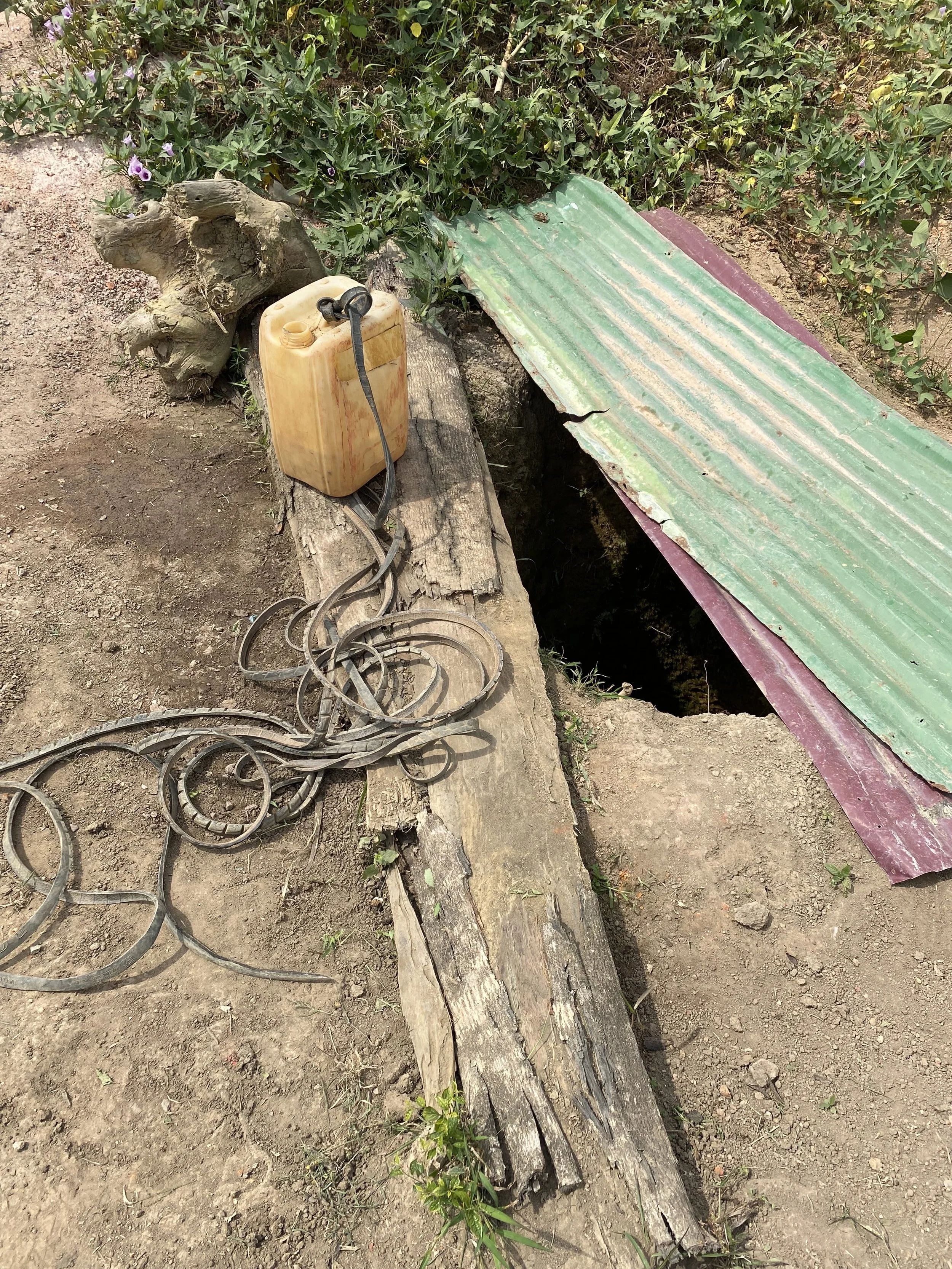
Jenneh Farms has designed and installed several irrigation systems to permit dry season cultivation. These projects consist of concrete channels that carry water by gravity from year-round rivers or lakes to farmers’ fields. The photo below shows a typical channel, with a junction point that allows the water to be diverted to different fields.
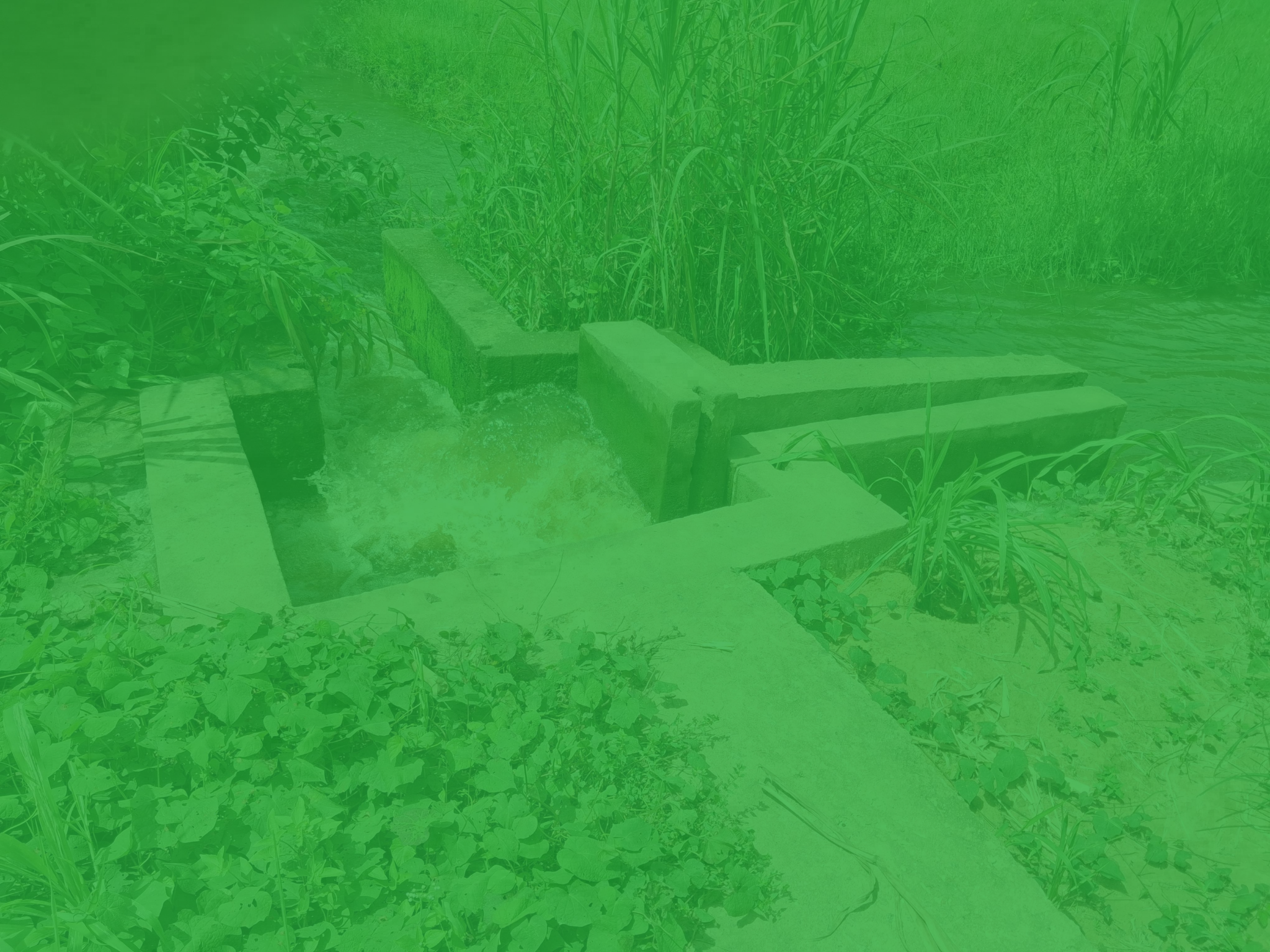
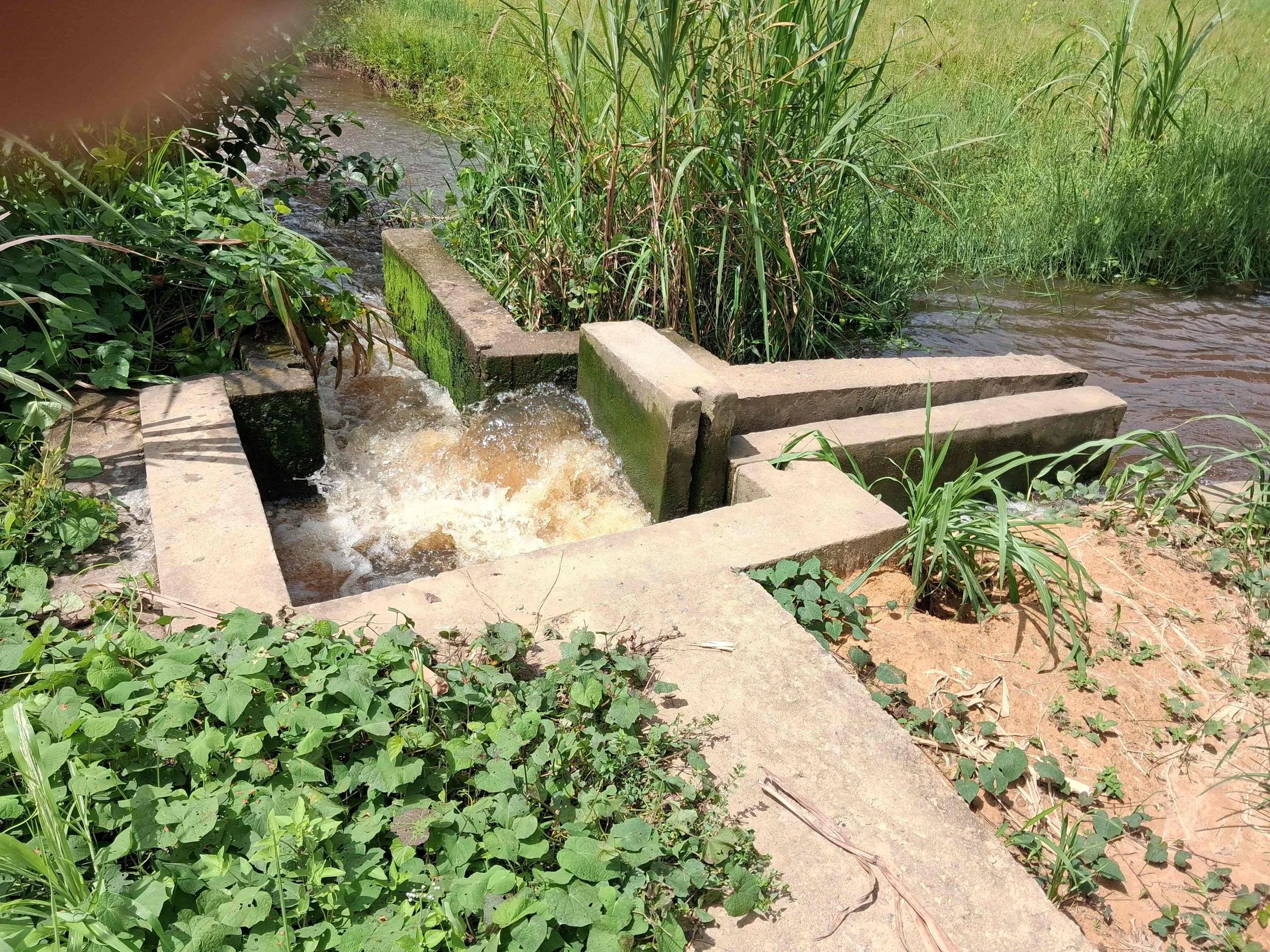
Irrigation Channel
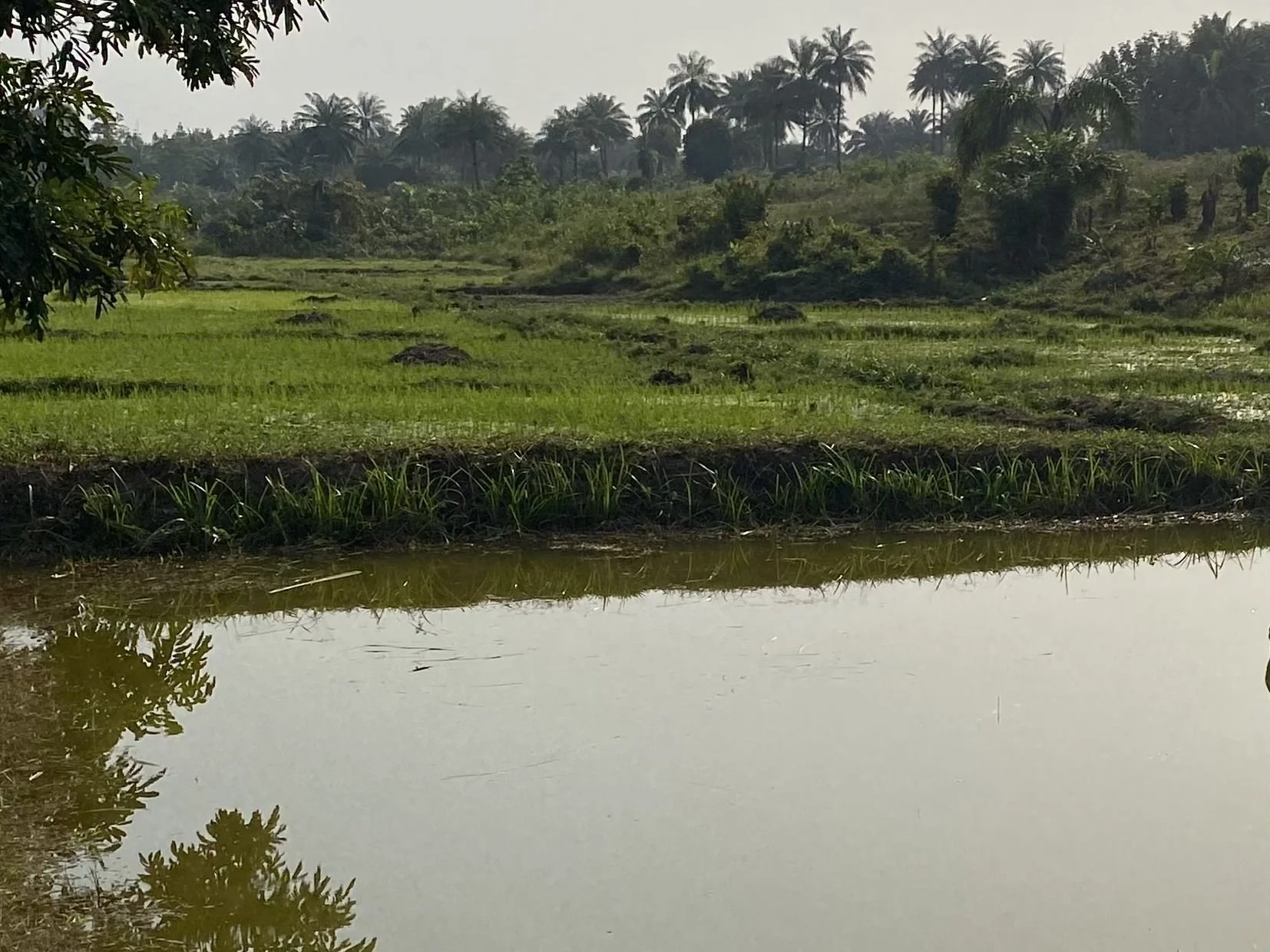
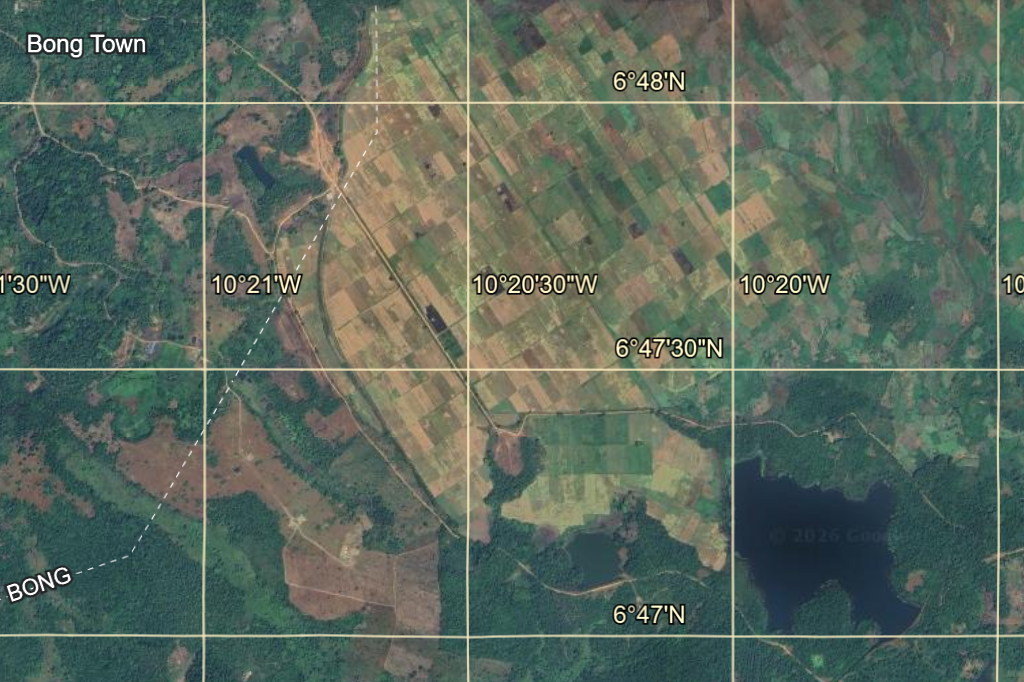
The satellite photo below shows a year-round pond with several hundred nearby rice fields. Each field is just over an acre in size. The pond is at a lower elevation than the fields, so gravity flow cannot be used. Jenneh Farms is currently working on design of a system which could pump water from the pond to the fields during the dry season.
Pumped Irrigation and Agricultural Fields
If a farmer who can currently harvest two crops during the rainy season could grow a third crop during the dry season with the assistance of irrigation, his annual income could be boosted by 50% and his family could enjoy a higher standard of living.